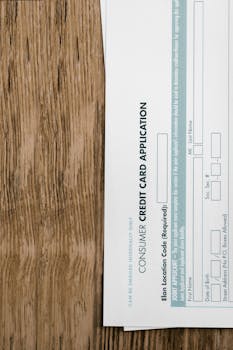
Trying to rebuild credit without upfront cash?
Destiny Mastercard offers unsecured credit access when you need to rebuild
Advertisement
Destiny Mastercard is positioned for people who want an unsecured path back into credit without a security deposit. The issuer says it reports to all three major credit bureaus and is accepted wherever Mastercard is accepted in the U.S. But the pricing matters, so you need to understand the fees,

Destiny Mastercard is positioned for people who want an unsecured path back into credit without a security deposit. The issuer says it reports to all three major credit bureaus and is accepted wherever Mastercard is accepted in the U.S. But the pricing matters, so you need to understand the fees,
You will remain in the same website
Read the full review to compare fees, fit, and next steps before you apply.
You will remain in the same website
You will be redirected to another website
You’ll receive messages for less than 1 week, with a maximum of 1 message per day. You can unsubscribe anytime by replying STOP. By submitting this form, I confirm that I am 18+ years old and agree to the Privacy Policy and Terms and Conditions. I also provide my signature, giving express consent to receive informational messages via automated emails, SMS, MMS text messages, and other forms of communication. Message frequency may vary as part of our good-faith effort to respond to your inquiry. Message and data rates may apply. Text STOP to cancel. I understand that my consent to receive communications is not a condition of purchase and that I may revoke my consent at any time.
Destiny positions this card for people who want to establish or rebuild credit without putting down a security deposit. The issuer says all credit histories are considered, even after prior credit problems, but approval still depends on income, debt review, identity checks, and the bank’s qualification criteria.
Destiny is an unsecured credit card, which means you do not fund the account with a refundable deposit to open it. That can lower the upfront cash barrier versus a secured card, but it does not remove approval standards, ongoing fees, or the need for careful monthly repayment.
On the pricing page, Destiny shows a 35.9% purchase APR, a $175 annual fee in the first year, and a $49 annual fee after that. It also discloses a $0 monthly fee in year one, then $12.50 monthly thereafter, plus transaction and penalty charges that add up quickly.
Destiny says it reports account history to all three major credit bureaus. That reporting can support credit rebuilding when you pay on time and keep usage controlled. The card does not improve credit by itself, so late payments or high balances can still hurt your profile and slow progress.
Destiny says approved applicants usually receive the card within 14 business days. Once the card arrives, you can activate it, create an online account, and use it wherever Mastercard is accepted in the U.S. The FAQ also says balance transfers are not available at this time on new accounts.
Not necessarily. An unsecured card may remove the deposit hurdle, but approval is still based on the issuer’s review and the pricing can remain expensive. That is why you need to compare total fees, APR, and available credit, not just whether the card skips a security deposit.
When a starter card carries high setup, annual, or monthly charges, those costs can eat into available credit immediately and make utilization harder to manage. On Destiny’s pricing page, a $700 initial limit is shown with about $525 available at opening, which changes the usable room from day one.
Compare whether the card is secured or unsecured, how it reports to credit bureaus, the total yearly fee load, APR, cash-advance rules, and any foreign transaction charges. The right fit is the option you can keep current consistently, not just the one with the easiest application story.