Public Debt and Low Interest Rates: Insights from AER by Olivier Blanchard
Learn about public debt and low interest rates, main benefits and drawbacks, application process, and whether this type of loan aligns with your goals. Insights from AER and fiscal experts explained.
Advertisement
American Economic Review
Low interest rates for public debt, flexible rollover, and thoughtful fiscal management. Insights from leading economists. Discover if this loan fits your goals.
The “Public Debt and Low Interest Rates” piece from the American Economic Review, penned by Olivier Blanchard, dives deep into public finance. Blanchard’s perspective highlights the advantages when governments borrow at low interest rates for extended terms, suggesting rollovers may be feasible without increasing taxes. In today’s lending market, this is comparable to a loan offer with competitive rates and flexible management—beneficial for borrowers seeking stability and manageable financial risks.
How to Apply for This Loan Offer
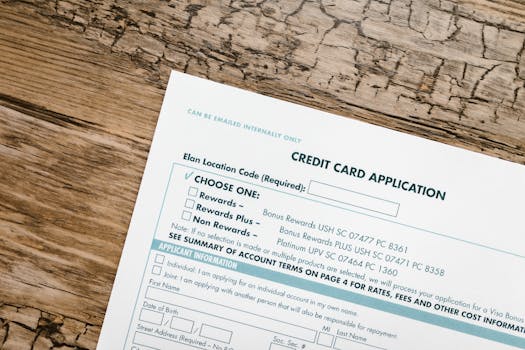
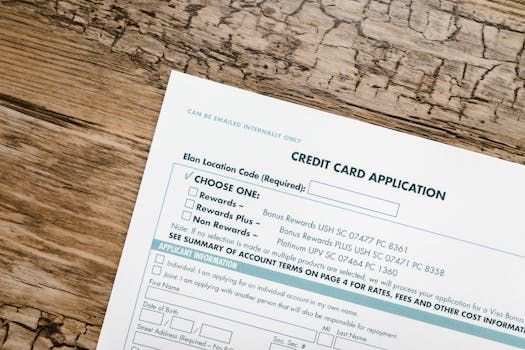
Applying for a public debt-like loan with a low-interest rate and long term is a straightforward process. Start by gathering your financial documents and ensuring your credit profile is in good shape. Next, select a reputable provider and complete their application, which usually includes personal and financial information. After submitting your application, wait for approval and review your loan terms carefully before making a final decision.
Typically, the approval process is fast if you meet the standard requirements. You will receive feedback on rates and conditions as part of the offer. Once approved, you’ll be able to manage your loan online, making repayment easier and more transparent.
Pros of This Loan Offer
One significant benefit is extremely low interest rates compared to market averages, maximizing affordability. Flexible loan terms make debt rollover less risky, enhancing your financial planning options. The predictable payment schedule can provide peace of mind for long-term commitments. Government-like loans often involve less risk of sudden rate hikes, leading to a stable repayment environment. There is also the potential for rolling over debt without facing extra fiscal burdens, which is valuable for borrowers with fluctuating incomes.
Cons of This Loan Offer
One downside is that extensive use of such debt may reduce future borrowing capacity, potentially limiting your options for big investments. Moreover, even if fiscal costs seem low initially, long-term debt can chip away at your capital accumulation. Risk premiums may arise if investors perceive heightened danger, increasing the real cost of borrowing over time. Navigating complex lending environments could require significant financial expertise. There is also the possibility of encountering stricter eligibility or disclosure requirements for high-value or long-term loans.
Verdict: Should You Consider This Loan?
This loan offer resembles the policy landscape described by Blanchard: viable, cost-effective, and manageable, especially under stable macroeconomic conditions. For those prioritizing low-risk, long-term borrowing with transparent terms, it stands out as an attractive option. However, make sure to assess your personal financial goals and consult with a professional before making a commitment, as future conditions can change unexpectedly.