How can I find unsold repossessed cars in Ireland?
Find affordable repossessed cars in Ireland by tracing bank disposals, recovery firms and auctions, then compare each vehicle before bidding.
Affordable repossessed cars in Ireland rarely sit in one searchable national marketplace. They move through banks, recovery firms, finance houses and auctions, creating a scattered trail for buyers to follow.
The upside is real: unsold vehicles may return to market at reduced reserve prices. This guide maps the main routes, the people to contact and the checks that turn a tempting price into a sensible purchase.
Where can affordable repossessed cars appear in Ireland?
Repossessed vehicles enter the market after a borrower falls behind on a car or personal loan and the lender takes control of the asset. The lender’s aim is to recover as much of the unpaid balance as possible, usually by moving the vehicle through a sale rather than holding it indefinitely.
That process creates several buying routes. Some cars go straight to auction; others pass through an asset-recovery company or a dealer handling disposal stock. A vehicle that attracts no buyer at its first sale can be listed again, sometimes with a lower reserve. Patient buyers therefore need more than one search: they need alerts, auction catalogues and direct conversations with the organisations handling the cars.
Potential stock ranges from nearly new models to older vehicles requiring mechanical work. The price alone tells you little. The useful comparison is the likely all-in cost after the winning bid, buyer charges, insurance and repairs.
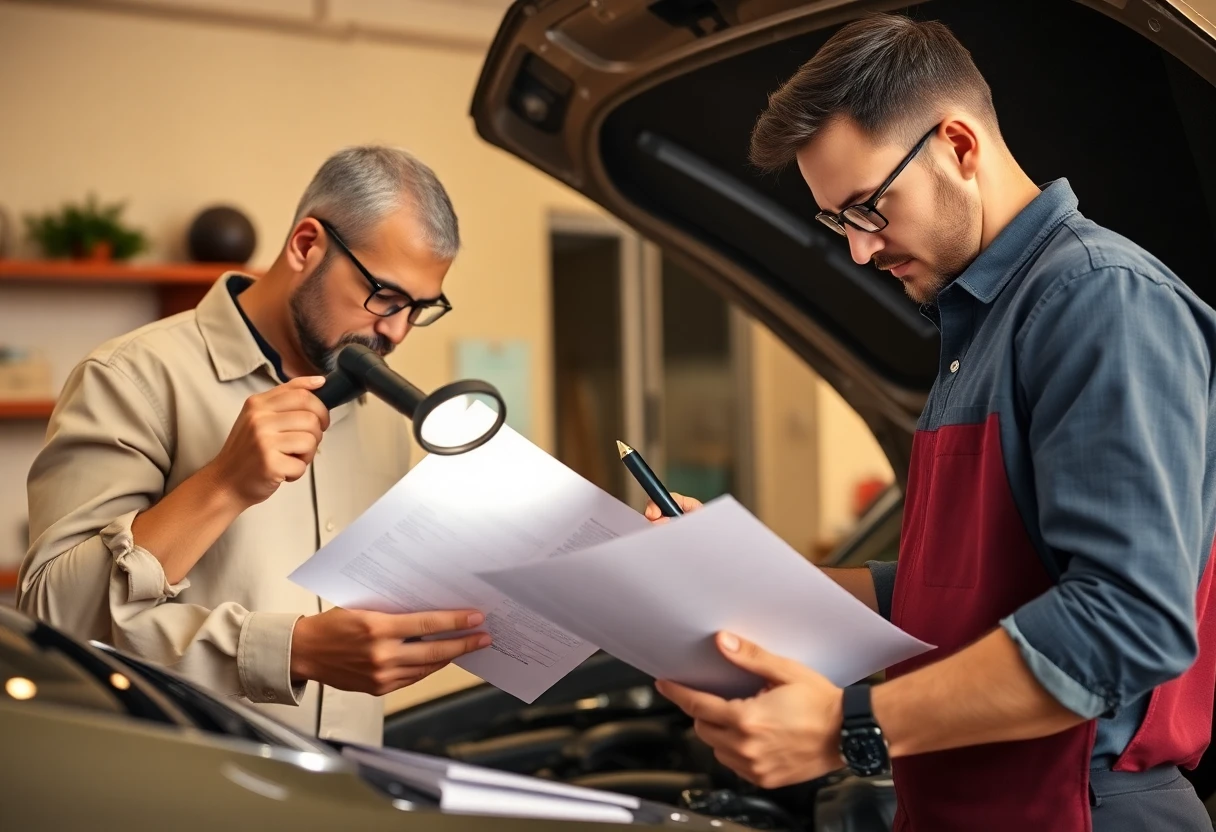
What an unsold repossessed vehicle actually means
An unsold repossessed car is not a special model category. It is a vehicle reclaimed after missed repayments that failed to sell during an earlier auction or direct disposal attempt. It may return with a revised reserve, a private-sale price or a new auction date.
That second appearance can create value because the lender still wants the asset converted into cash. It does not automatically mean the car is cheap to own. Condition varies sharply: one vehicle may be nearly new, while another may need tyres, servicing or more serious mechanical attention.
Read the listing as a starting point, not a valuation. Compare the asking or reserve price with similar Irish cars, then budget for buyer premiums, repairs and insurance before deciding what the vehicle is actually worth.
Who supplies repossessed cars in Ireland?
Banks and credit unions are common sources because they may reclaim vehicles attached to car or personal-loan agreements in default. Vehicle-finance companies linked to dealership networks add another sizeable stream.
Leasing companies can also feed cars into recovery channels when business customers stop meeting their agreements. A smaller flow comes from Revenue seizures and court-ordered asset disposals. These routes are separate, so one missed search can hide an otherwise suitable car.
Expect stock to be spread across regional auction houses, national platforms and specialist disposal firms rather than gathered under one Irish government-run register.
Start with banks and asset-recovery teams
Contact the collections, asset-management or vehicle-disposal department of major Irish retail banks. AIB, Bank of Ireland and Permanent TSB manage vehicle assets and may sell them internally or appoint specialist recovery firms.
Ask how to register interest in future disposals and which company handles vehicles that do not sell at first attempt. Recovery agents can know about incoming stock before a public catalogue appears, although access and timing vary by institution.
Keep the request specific: state the budget, body type, age range and county that suit the search. Registering with several relevant contacts gives unsold stock more chances to reach you before the next sale cycle.
Use local and national auctions strategically
Auctions remain the main marketplace for repossessed vehicles. Regional auction houses may mix them with trade-ins and fleet cars, while national operators run sales in Dublin, Cork and Limerick. Online auctions add remote bidding and can widen the search beyond a convenient driving distance.
Register with more than one auction house and request advance catalogues. Wilsons Auctions in Ireland, GMS Auctions and BCA Ireland are named routes to investigate; Autorola is an example of an online platform. Current stock, buyer charges and public-bidding rules must be checked with each operator.
Typical advertised price ranges in this market can run from about €1,500 to more than €30,000, depending on the platform, model, age and condition. Wilsons Auctions is listed at €2,000–€25,000+, GMS Auctions at €1,500–€20,000, and BCA Ireland at €3,000–€30,000. AIB Asset Finance and Bank of Ireland Asset Recovery do not have fixed public ranges; slow-moving stock may sometimes be negotiable.
Buying from Northern Ireland or a UK auction can add VRT assessment, registration and possible customs administration after Brexit. That extra work can erase a headline saving, so compare the landed cost rather than the hammer price.
Checks that protect the bidding budget
Arrange an independent inspection by a qualified mechanic whenever the sale rules allow it. Many auction vehicles are sold as seen, leaving limited recourse after payment. A short inspection can expose warning signs that photographs and a catalogue description miss.
Run the registration through Irish vehicle-history services such as Motorcheck or Cartell. The report can reveal outstanding finance, previous write-offs and mileage discrepancies. Also match the vehicle identification details, service records and stated condition before bidding.
Set a maximum all-in figure before the auction starts. Include the buyer premium, transport, insurance, repairs and any VRT that applies. The winning bid is only one part of the cost, and auction-room pressure is exactly when a pre-set ceiling earns its keep.
Bottom line: the best fit is a buyer with cash available for repairs, time to monitor several channels and access to an independent mechanic. Look elsewhere if a fixed monthly budget leaves no room for auction charges or unexpected work. For Irish shoppers who can inspect carefully and wait for a second listing, direct bank contacts plus several auction catalogues offer the clearest route to a genuinely affordable repossessed car.
For ownership and registration checks, start with the official Government of Ireland portal and compare vehicle-history information from Cartell before committing funds.
Find how to spot and buy returned repossessed cars